


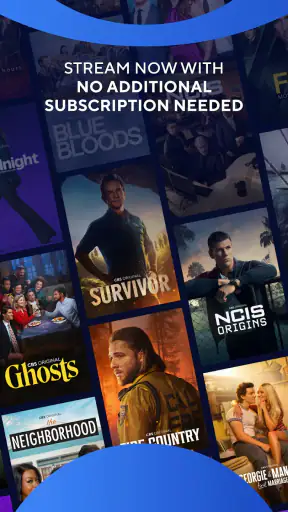

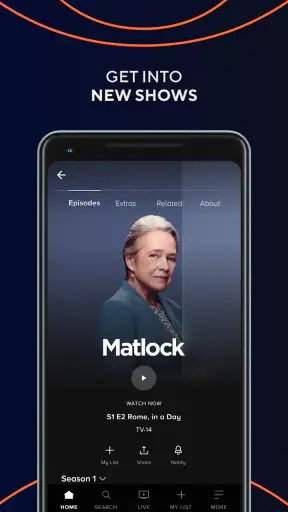
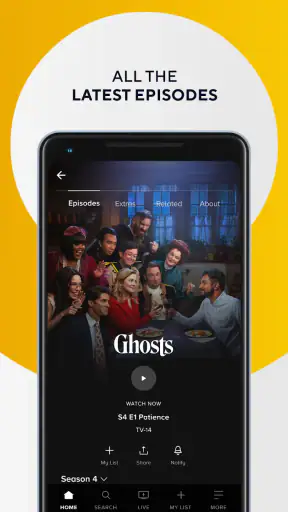
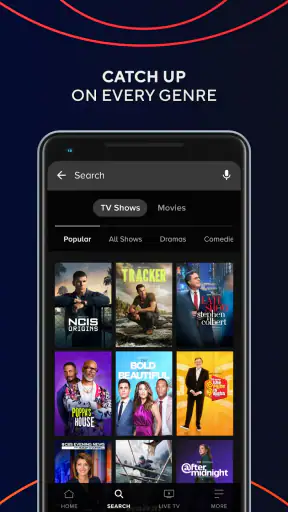
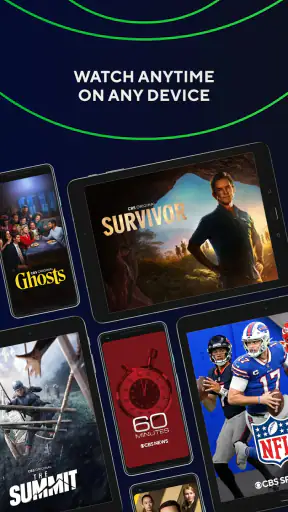
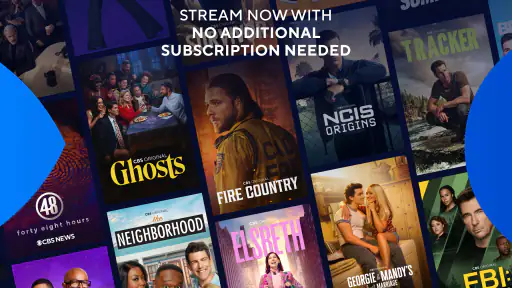

If you are looking for a straightforward way to watch CBS programming on a phone or tablet, CBS is the official entertainment app from CBS Interactive, Inc. I approached it as a first-time viewer rather than assuming I already knew how the service worked, and that made the most important point clear: the app is useful when you want CBS content gathered in one place, but the exact viewing experience depends on what is available to you when you open it.
The app is free to install and is aimed at Teen users. Its store summary focuses on watching new episodes and live television, so I would think of it as a companion for CBS viewing rather than a general replacement for every streaming service. It has passed five million installs and holds an average rating of 3.8 from roughly twenty-three thousand ratings, which suggests a broadly useful product with some real-world friction that prospective users should understand before making it their main entertainment app.
What to expect before you start watching
The first screen is best approached with a simple goal: find something you actually want to watch, not explore every corner of the app immediately. CBS is built around television viewing, so the most satisfying first session is usually tied to a specific show, a recently released episode, or live programming you already intended to see. That focus keeps the experience from feeling aimless.
I found the app most appealing for people who already follow CBS programs and want a convenient mobile viewing option. It can also suit someone who watches television in short windows, such as during a lunch break, while travelling around the home, or when the main television is occupied. A phone does not provide the same comfort as a television, but it does make the service more flexible.
The free price is an obvious advantage for anyone who wants to try the app without committing money at the download stage. Still, “free” should not be interpreted as a promise that every piece of content will behave identically for every viewer. Availability, access steps, and the route to a particular episode are the parts I would pay attention to during setup rather than assuming that the app is simply an unrestricted catalogue.
That distinction matters because a viewer may open the app expecting an immediate, universal library and instead need to make a choice about how to access a program. My advice is to begin with one concrete target. Search for the show or live broadcast you care about, see what action the app presents, and use that as your guide. This is less frustrating than browsing broadly and wondering why some items invite viewing while others lead elsewhere.
The app runs on Android devices using at least version 5.0, which covers a wide range of phones and tablets. The current version is 16.0.1. Even with a compatible operating system, I would still judge the experience by the device’s screen size, connection quality, and available storage rather than compatibility alone. Television video is more demanding than reading or messaging, and a small or older device can make long viewing sessions less comfortable.
One useful expectation is that the app is not merely a static programme guide. Its purpose is active viewing, including newly available episodes and live TV. That makes it more valuable when you have a specific viewing habit. If you only want occasional background entertainment and do not particularly care about CBS content, a broader streaming app may offer a more natural starting point.
Getting through the first setup
After installing CBS, I recommend taking a calm, deliberate route instead of tapping through every prompt as quickly as possible. Let the opening screens tell you what kind of access the app expects, then continue with the option that matches your situation. The key question is not “How do I unlock everything?” but “What am I trying to watch right now?”
If your goal is a new episode, start there. If your goal is live television, choose that path instead. Separating those two intentions makes the interface easier to understand because you are evaluating the app against a real task. A first-time user can otherwise mistake navigation choices for errors when they are really different viewing routes.
I also suggest signing in only when the app gives you a reason to do so or when you know you want a more continuous viewing routine. An account can be worthwhile if you expect to return regularly, but creating one before you know whether the catalogue and viewing flow suit you adds a step to an experience that should initially be about testing the basics.
During setup, keep your device connected to a dependable network. This is practical rather than glamorous advice, but it makes a noticeable difference when the first meaningful action is starting a programme. If the connection is unstable, it becomes difficult to tell whether the problem comes from the app, the account flow, or the network itself. Testing with a short session before settling in for a full episode is a sensible habit.
Another small improvement is to decide where you will watch before opening the app. A phone held in one hand is fine for checking whether a programme is available, but a stand or a comfortable position is better for a full episode. I would also avoid beginning a live broadcast while rushing between tasks; scheduled or live television is less forgiving than on-demand viewing if you need to pause your attention frequently.
The app’s Teen content rating is worth noting for households. That label does not mean every programme is suitable for every younger viewer, so parents should make their own judgement about individual shows. The application gives access to entertainment from a major television network, and the appropriate choice depends on the programme being watched rather than on the app’s general category alone.
The first successful action: start with one programme
For a first-time user, success should mean reaching a programme and understanding what to do next. I would open CBS, identify a show or live broadcast, and follow the viewing prompt until the video begins. Once that works, spend a minute checking how the app presents the episode information and how easily you can return to the main browsing area. That small test tells you more than scrolling through many thumbnails.
My preferred workflow is to use the app when I already know what I want to watch. For example, imagine that the television in the living room is being used by someone else and you want to catch a CBS episode from the sofa or bedroom. I would install the app, open it while connected to Wi-Fi, locate the programme, and begin the episode before getting comfortable. If the viewing route requires an additional step, I would complete it at that point rather than discovering it after the opening minutes.
This workflow also helps with live television. Live viewing has a different rhythm from an episode you choose at any time, so I would enter the live section with enough time to deal with any access prompt or loading delay. The app’s value here is convenience: it lets your viewing follow you beyond the main television. The trade-off is that a phone screen, mobile connection, and live schedule can make the experience less predictable than sitting in front of a traditional television service.
Once a video starts, resist the temptation to judge the entire app by one brief loading moment. Give the stream a little time to settle, especially if you are using a mobile connection. At the same time, do not ignore repeated interruptions. If the same problem returns across different attempts, the app may not be the best way for you to watch, even if the content itself is appealing.
A less obvious tip is to treat search and browsing differently. Browsing is useful when you are open to suggestions, but search is faster when you have a particular CBS programme in mind. For a first session, search reduces the number of decisions and makes it easier to identify whether the app meets your immediate need. After that, browsing becomes more useful because you already understand how the app labels available viewing options.
I would also keep the first test short. Start something you can watch for a few minutes rather than committing immediately to a long evening. This checks the complete path—from opening the app to finding content to maintaining playback—without turning a technical test into a major interruption. If that first trial goes smoothly, the app has earned a place in your regular viewing routine.
Where first-time viewers commonly get confused
The biggest source of confusion is the difference between seeing a programme and being ready to watch it. A title, episode, or live option can be easy to find, but the next action may depend on the viewing route presented by the app. I would not assume that every item follows the same process. Read the prompt on the screen and follow the option connected to your actual access.
Another common misunderstanding is expecting the free download to function like an unlimited, all-purpose television package. The app costs nothing to install, but that does not make it identical to every paid or bundled television alternative. If your priority is the broadest possible collection across many networks, a general streaming platform may be a better match. If your priority is CBS programming, this focused app is more logical.
Live TV can also create unrealistic expectations. Live viewing is convenient, but it is tied to what is being broadcast at that moment. Someone who wants complete control over timing may prefer an episode-based service or another on-demand option. Conversely, someone who enjoys watching television as it airs may appreciate the immediacy and the fact that the app is not limited to a catalogue of previously released episodes.
I would not use the app as my only solution for every screen in the home without testing it first. A phone is personal and portable, while a television is shared and comfortable for groups. CBS is strongest when portability or quick access matters. It is less convincing as a universal living-room replacement if your household expects a large-screen experience, simple remote control, and effortless viewing for several people at once.
There is also a difference between occasional viewing and habitual viewing. For occasional users, the app’s focused purpose is helpful: open it when you want CBS and leave when you are done. Frequent viewers should pay closer attention to how easily they can return to the same kinds of programmes and whether the sign-in or access process fits their routine. A few extra taps are minor once, but they become more noticeable when repeated every day.
The rating of 3.8 from about twenty-three thousand ratings reflects that mixed reality better than an extremely high score would. Many viewers can find the app useful, while others may encounter access, playback, or expectation issues that affect their opinion. I would read that rating as a reason to test the exact programme you care about, not as a reason to dismiss the app or trust it blindly.
How it compares with familiar alternatives
Compared with watching CBS through a traditional television provider, the app offers more personal mobility. You do not need to remain beside the main television, and a compatible Android phone or tablet can become a private viewing screen. The traditional option still has advantages for shared viewing, a larger display, and a more predictable remote-control experience.
Compared with broad streaming services, CBS is more focused. That focus is a strength when your viewing is network-specific because you are not paying with attention by searching through unrelated catalogues. It is a weakness if your household wants films, programmes from many networks, or a single app for every entertainment need.
Compared with watching clips or programme information through a general video platform, CBS is better suited to full television viewing and the network’s own release flow. A general video platform may be quicker for short highlights or casual discovery, but it is not necessarily the right place to build a routine around new episodes and live TV.
The best choice therefore depends on the job. Choose CBS when you want official CBS-focused viewing on a mobile device and appreciate a free starting point. Choose a broader service when variety across networks matters more than this particular catalogue. Choose traditional television when your priority is shared, large-screen viewing with minimal experimentation.
Who will get the most from it
I would recommend CBS to viewers who already know which CBS programmes they follow, people who want a mobile backup for television viewing, and households that need a private screen from time to time. It is also a reasonable first step for someone who wants to test CBS viewing without paying to install an app.
It is less suitable for a viewer who wants one universal entertainment library, expects every title to be immediately available in the same way, or dislikes checking access prompts. It may also disappoint someone whose main goal is watching with a group on a large television. In those situations, a broader streaming option or an established television setup may be more comfortable.
My most practical recommendation is to judge it with a real programme rather than with the app’s opening screen. Install it, choose one episode or live broadcast, and see whether the route from discovery to playback feels reasonable on your device. That test answers the questions that matter: Is the content you want there? Can you reach it without unnecessary confusion? Does playback fit your connection and your daily routine?
After the first successful session, the next step is to make the app part of a specific habit. Use it for a particular show, keep it ready for live viewing, or treat it as your fallback when the main television is unavailable. Do not force it into a role it was not designed to fill. Its value comes from focused CBS entertainment, not from trying to replace every other screen and service.
Overall, I see CBS as a useful, free entertainment app with a clear audience and a practical mobile purpose. The experience is strongest when you arrive with a viewing goal and accept that different programmes may lead you through different access steps. The app’s 16.0.1 release supports current use on Android devices starting with version 5.0, while its Teen rating makes individual programme choice important for families.
After using it with realistic expectations, I would recommend giving it a try if CBS content is already part of your viewing life. The smartest first move is simple: choose one programme, follow its viewing path, and decide from that complete experience. That approach makes the app reassuring for newcomers without hiding its limitations, and it gives you a fair basis for deciding whether CBS belongs in your everyday entertainment lineup.


